Effects of Early Development and Care
Early development and care strongly affect a child’s learning, behavior, relationships, and emotional well-being. Safe, loving, and consistent care helps children build trust, confidence, self-regulation, and communication skills. Positive support from teachers and families helps children grow in healthy ways.
Prenatal Development
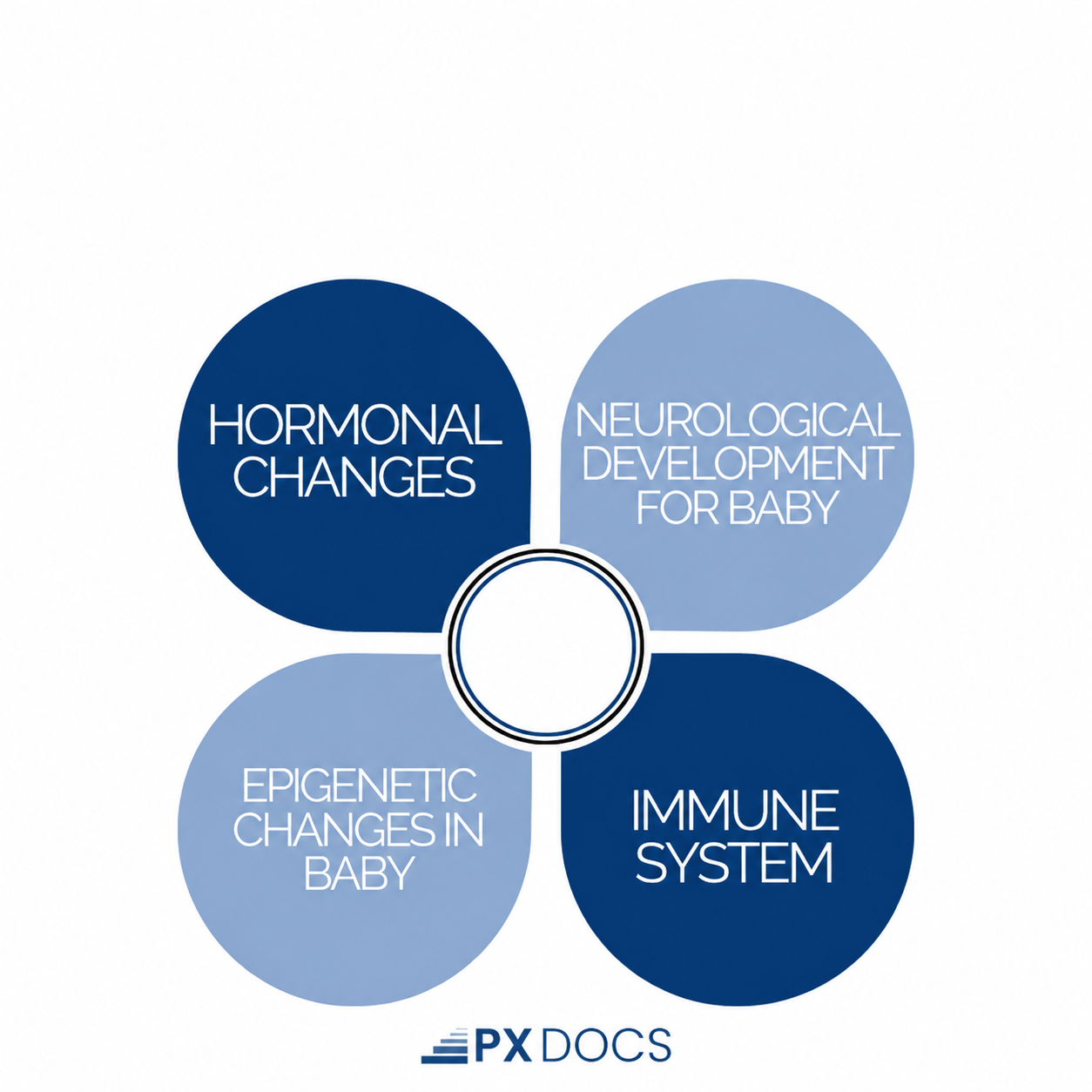
Prenatal development and care can affect a child’s later social and emotional development because the brain and body begin developing before birth. Good prenatal nutrition helps support healthy brain growth, which can later affect learning, attention, and emotional regulation. High levels of stress during pregnancy may affect a baby’s development and can increase the risk of difficulty calming down or managing emotions later. Substance exposure, such as alcohol, tobacco, or drugs, can also affect brain development and behavior. Regular medical care helps monitor the baby’s growth and catch concerns early. Family support is also important because a healthy, supported parent is more likely to provide a safe and nurturing environment after birth.

How Early Childhood Experiences Shape Adolescent Social and Emotional Development
Early childhood experiences can influence adolescent social and emotional development because the early years help shape how children communicate, learn, and form relationships. Positive language experiences, such as reading, talking, singing, and having conversations with adults, help children build communication skills and confidence. These skills can later affect how adolescents express emotions, solve problems, and connect with peers.
Early learning environments also matter. Safe, caring, and supportive classrooms help children learn routines, self-control, cooperation, and empathy. When children feel valued and supported early in life, they are more likely to develop healthy relationships, stronger emotional regulation, and positive self-esteem during adolescence.

Early Experiences and Adolescent Social and Emotional Development
Positive early experiences can begin even before birth and strongly support a child’s later social and emotional development. When children receive love, safety, encouragement, and consistent care, they learn how to manage emotions, build confidence, form healthy relationships, and become resilient. Park and Kim (2025) found that prenatal education was “effective across physical, emotional, and educational domains” (p. 1). These early supports can help children feel secure and capable, which may lead to stronger friendships, better communication, and healthier coping skills during adolescence.
Negative or stressful early experiences can create challenges as children grow. Children who experience ongoing stress, unsafe environments, or inconsistent care may struggle with behavior, trust, learning, or emotional control. These challenges can continue into adolescence and affect how they handle friendships, school responsibilities, stress, and conflict. Early development matters because the support children receive in childhood helps shape how they think, feel, and connect with others later in life.
Create Your Own Website With Webador